
Click anywhere to exit
Case Study — Jatango, LLC
How I established design operations from the ground up at an early-stage startup and led the product from its first wireframes to a market-ready beta launch.
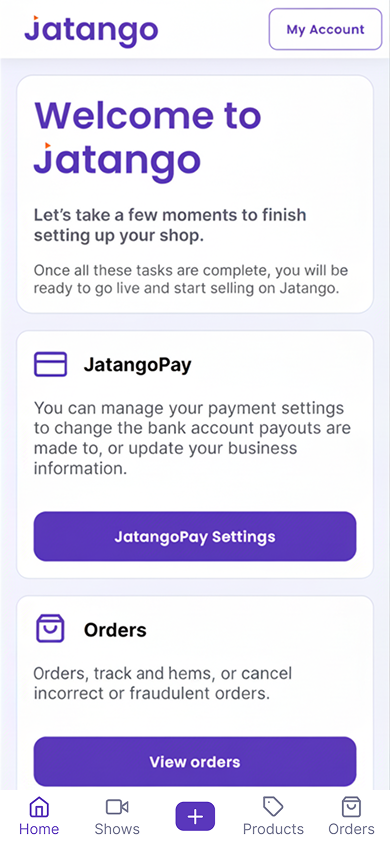 Before
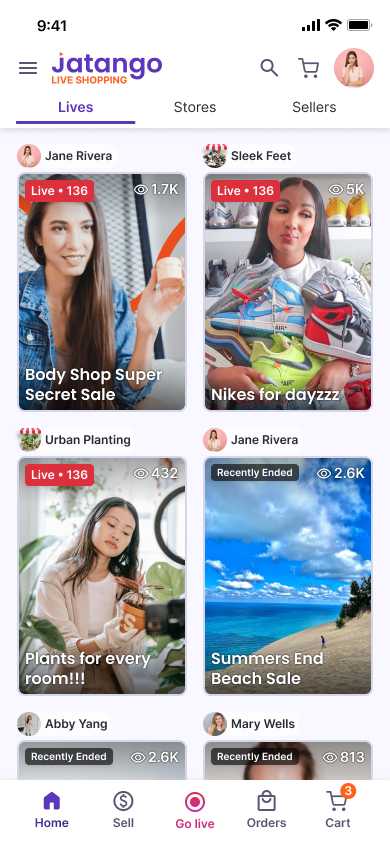 After
After
Overview
Jatango is a live-streaming marketplace that merges social commerce with multi-platform live selling: imagine Etsy meets TikTok, built around live streams. I joined as the company's first designer.

The Challenge
Jatango had no design system, a departing project manager, growing technical debt, and an ambitious beta deadline. The product needed structure without sacrificing velocity.

My Role
I was a solo designer building the design foundation from scratch, working with leadership to define product strategy, and serving as a cross-functional team lead bridging design, development, and business goals.

Impact
Foundations
When I joined Jatango, the product had basic functionality: user registration, store creation, product uploads, and checkout. However, there was no design system, no component library, and live streaming was still handled externally through Facebook Live.
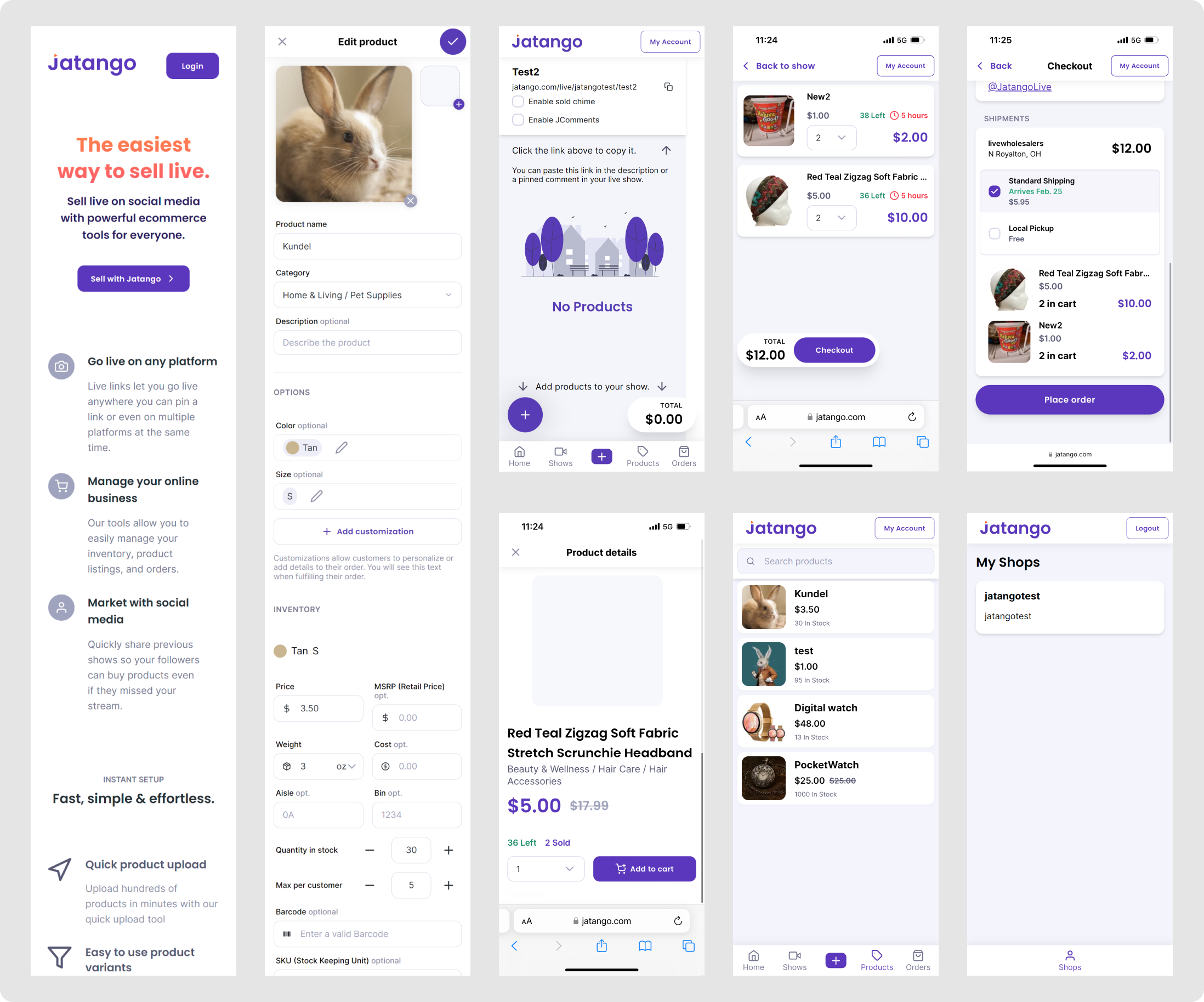
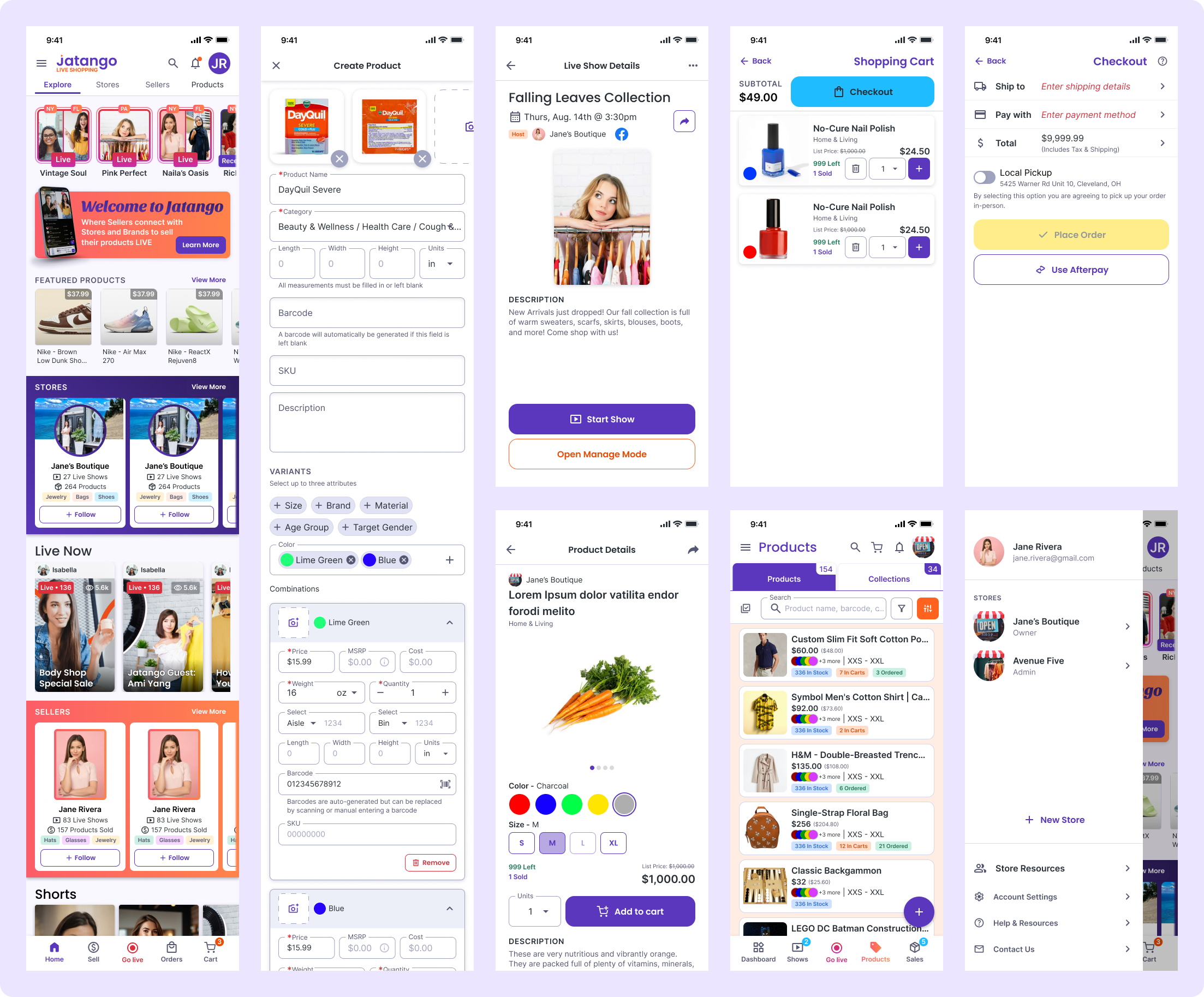
We were building the plane while flying it. I needed to create structure without slowing velocity.
In my first two months, I created Jatango's first comprehensive design system, establishing visual consistency and interaction patterns that became the foundation for all future development. This system enabled the dev team to build a component library that accelerated feature delivery by an estimated 20%. The system included a complete UI component library with interaction states, brand guidelines and visual language, accessibility standards and inclusive design principles, and documentation and usage guidelines for developers.
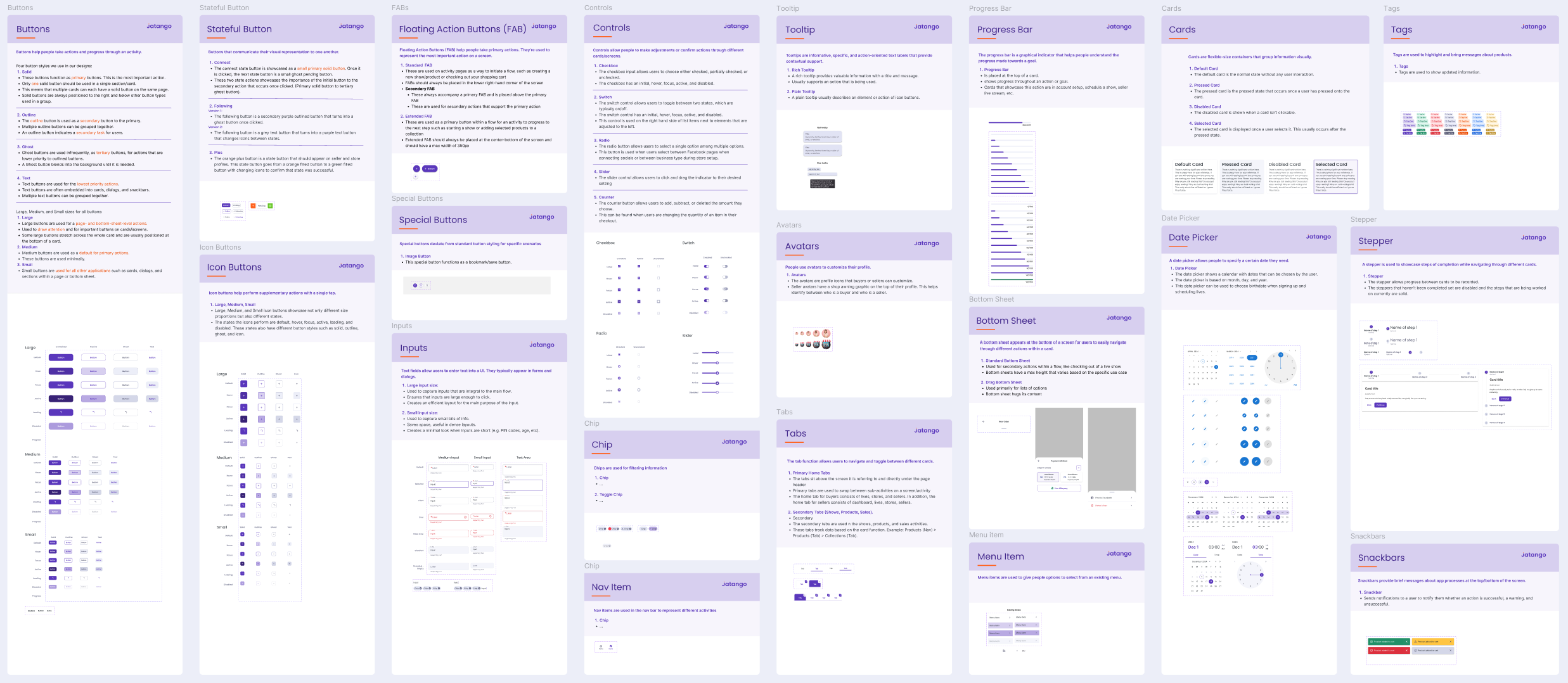
Guiding Framework
These principles guided every design decision and helped the team move quickly while maintaining quality.
Jatango's audience lives on their phones, so, even though the business decided to start with a web app, every feature was designed for mobile-first interaction, then adapted for larger screens. This was critical for a platform rooted in live streaming culture.
In a fast-moving startup, a predictable and familiar interface builds user trust faster than flashy innovation. The design system ensured every interaction felt cohesive, intuitive, and easy to use.
By relying on atomic design, every component and pattern was designed to be flexible enough to accommodate future growth from new features, new user types, and new platforms without requiring a redesign of the foundation.
Flagship Feature
A closer look at one of the flagship features I designed — from problem space to shipped solution.

User Pain Point
A main differentiator for Jatango is that an influencer and a store owner can go live together from two different locations on a dual live: the influencer brings the audience, the store brings the products. However, the main challenge was providing an easy way for the influencer and store owner to coordinate a time to go live and discuss what will be sold and the sales commission.

Business Constraint
We had to figure out a way to accommodate this coordination within Jatango so users didn’t have to rely on off-platform communication via text, phone, email, etc. Additionally, our CEO wanted to allow either party to initiate the scheduling flow.

Technical Limitation
Prior to this feature, Jatango lacked a pre-existing scheduling architecture and a means of in-app communication, leaving us with a blank slate but requiring us to start from scratch. On top of this, our dev team was stretched pretty thin, so we only had one frontend engineer available, with support from one backend engineer.
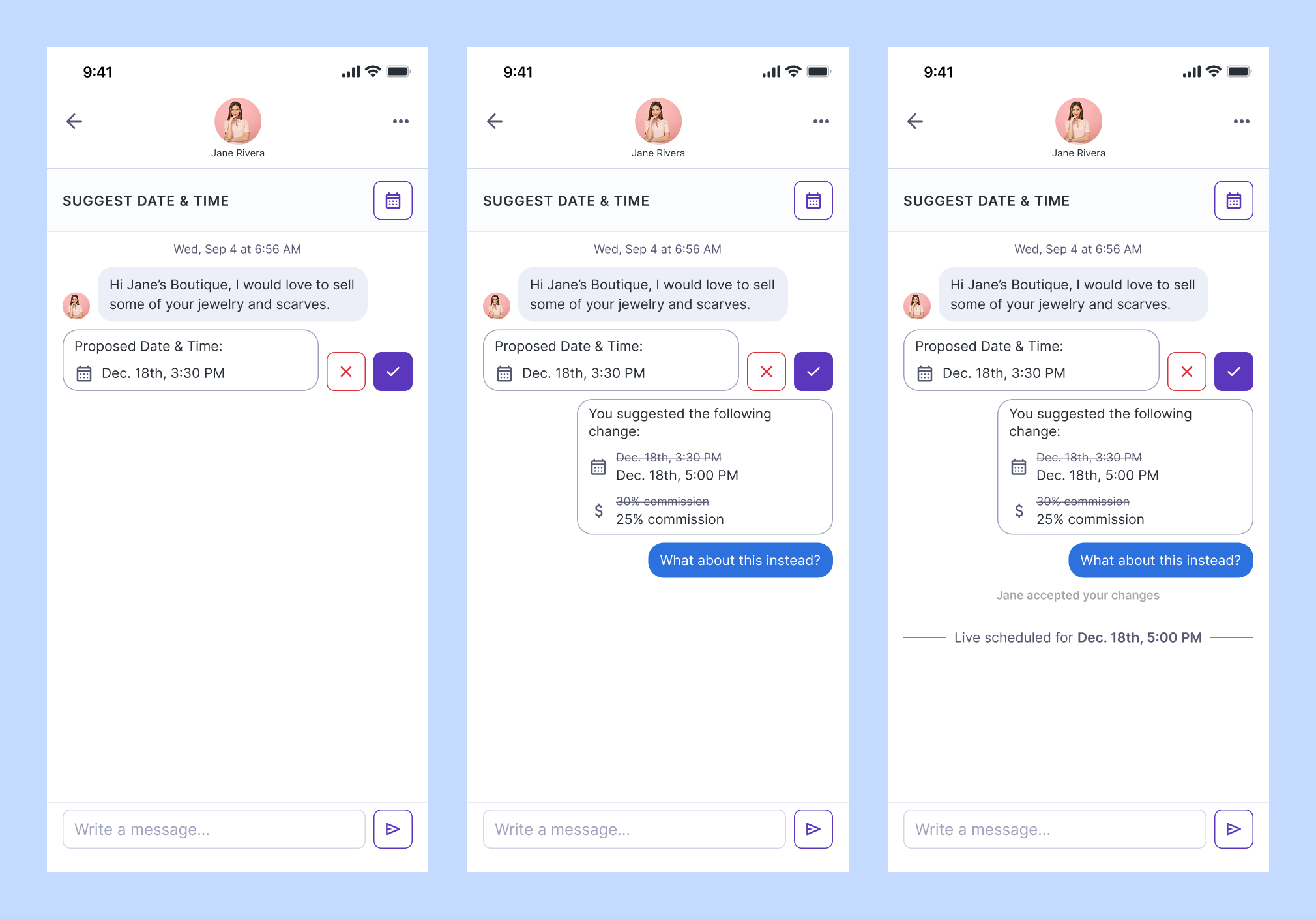
Design 1: Chat-based Scheduler
Rejected outright by our CEO, who was set on having some sort of calendar feature that people could use to schedule, which this design forewent.
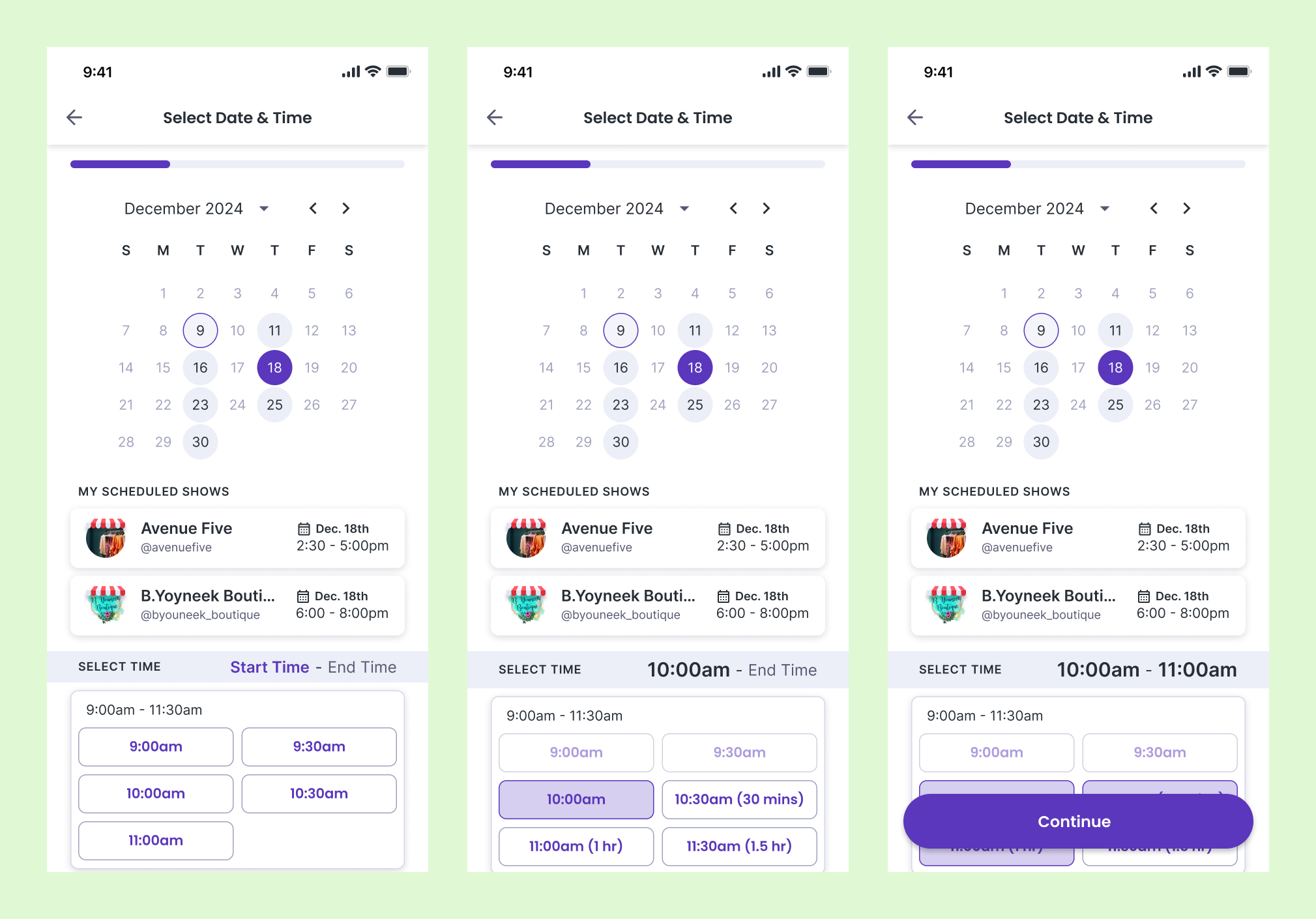
Design 2: Calendly-like Scheduler
This approach was too complex for the dev resources we had available and required users to maintain an accurate schedule in the app
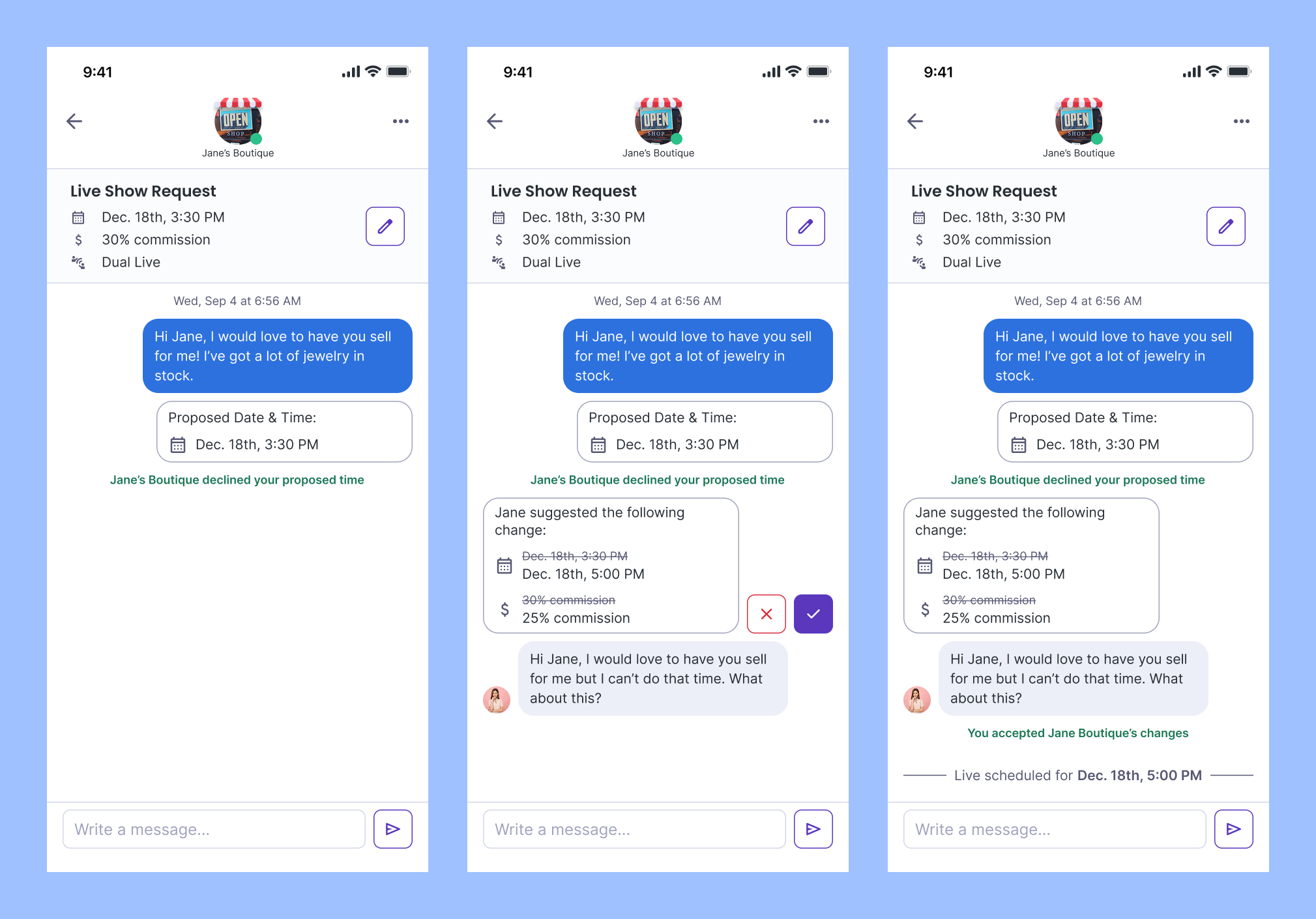
Final Design: Scheduling Chat revisited
After extensive campaigning on my part, we returned to the initial design because it was flexible and easier to implement technically.
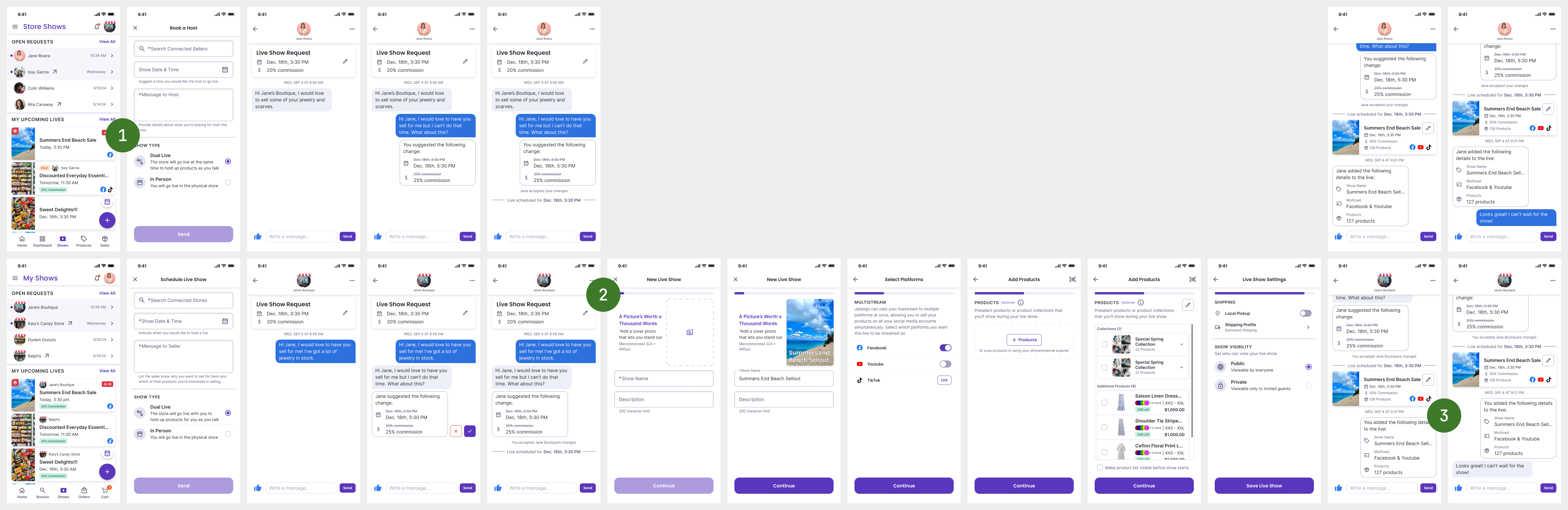
Redesigned the Shows page to make it easy to access and monitor new show requests
Allowed users to seemlessly create the show from within the chat once two to users settle on a date, time, and commission
Leading up to the show, both users can continue to chat, access show details, and see past shows, ensuring everything they need is all in one place
Dual Roles
When our project manager departed mid-project, I stepped into the gap and began managing both design and project delivery, thus becoming both the product designer and product manager. This dual role gave me a 360° view of the product and allowed me to help save Jatango time by making more informed decisions for both the user and the business.
Design Activities
End-to-end feature design from concept to handoff
Design system maintenance and expansion
High-fidelity interactive prototyping
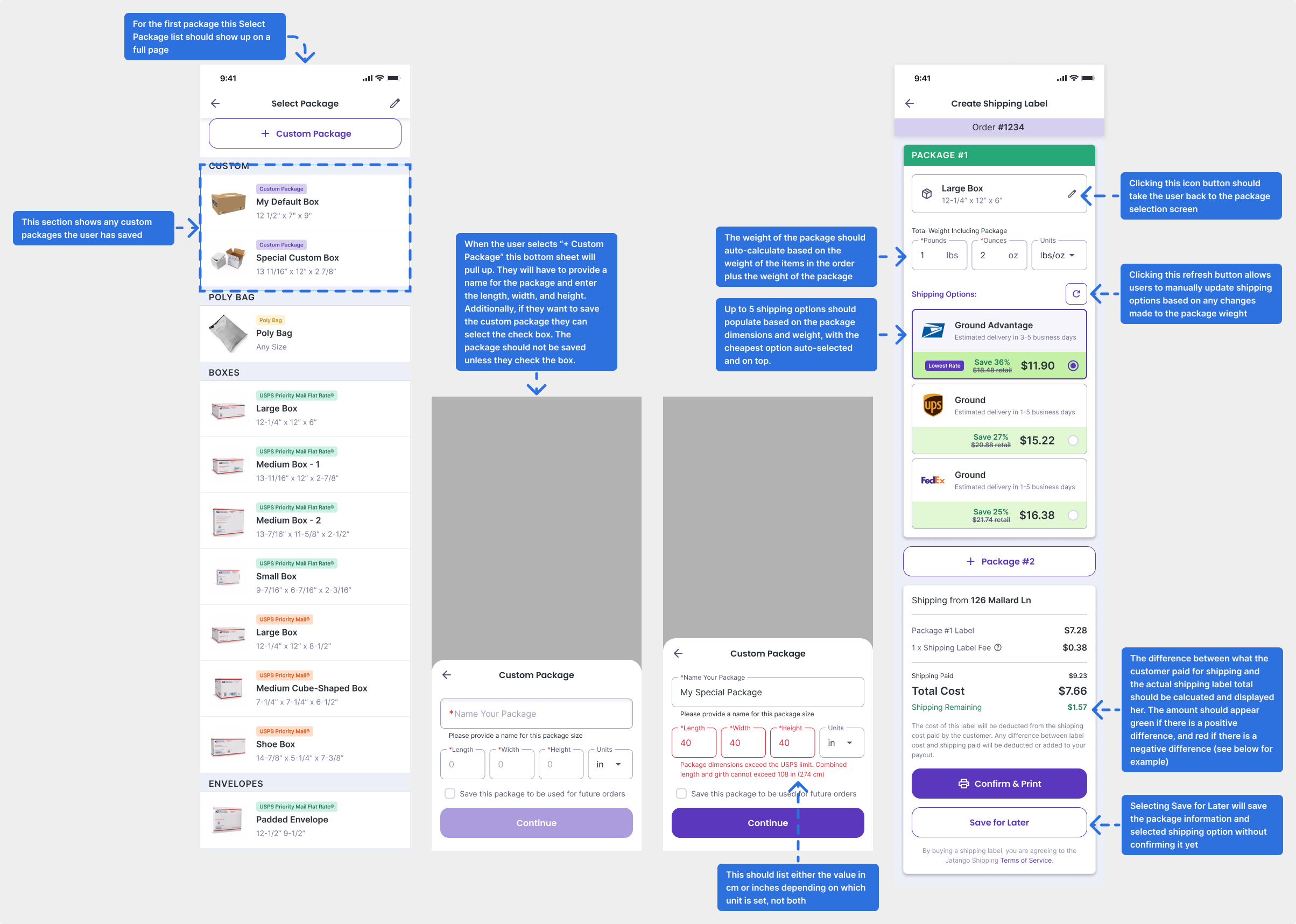
Annotating developer handoff docs
Stakeholder design presentations
PM Activities
Sprint planning and backlog prioritization
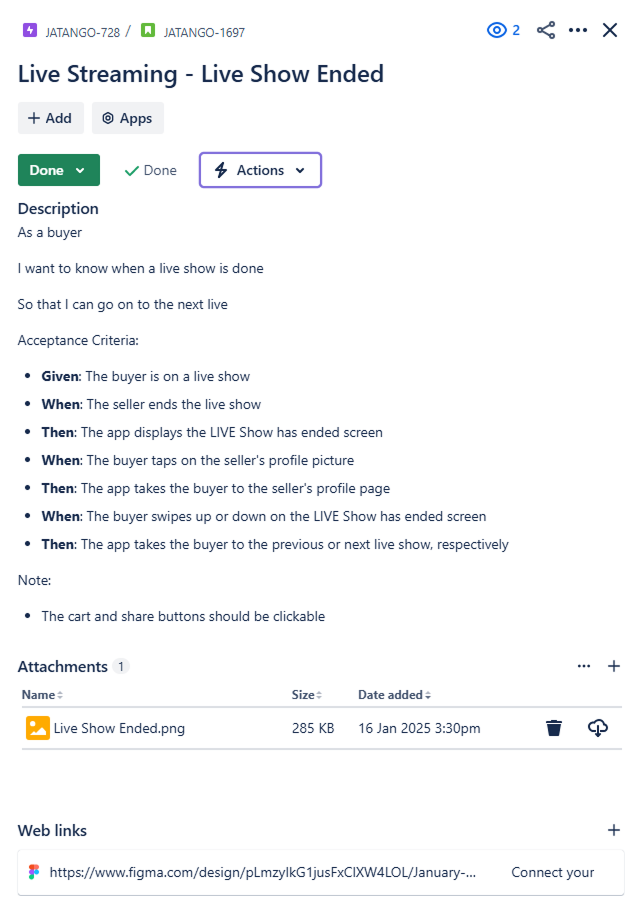
Writing user stories and acceptance criteria
Cross-functional team coordination
Product roadmap and timeline management
C-suite strategy alignment sessions
Wearing both hats made me a better designer. When you own the backlog and the pixels, you make smarter tradeoffs, and you can ship with conviction.
My Progress
A timeline of how design operations at Jatango evolved from ad-hoc practices to a structured, repeatable system.
Early Days — Months 1–2
Mid-Stage — Months 3–8
Current State — Months 9–18

Process Win
Created design review process that reduced feedback cycles by 1–2 weeks for some features.

Handoff System
Built Figma-to-dev handoff using annotated files with phased implementation plans and detailed feature requirements.

Stakeholder Alignment
Developed role-playing exercises for C-suite meetings that improved decision-making speed and reduced late-stage design changes.
My Growth
01
With no dedicated research budget, I developed creative workarounds: role-playing exercises with stakeholders to simulate user perspectives, competitive analysis to benchmark interactions, and leveraging my cognitive science background to apply evidence-based design heuristics. These methods weren't a replacement for formal research, but they grounded decisions in something stronger than assumptions, that we were then able to validate with our betac testers.
02
Leadership preferred seeing high-fidelity interactive prototypes rather than traditional wireframes. Instead of fighting this preference, I adapted — developing a rapid prototyping workflow that turned this constraint into a strength. By going straight to high-fi, I shortened the feedback loop and got alignment faster, while the design system ensured consistency even at speed.
03
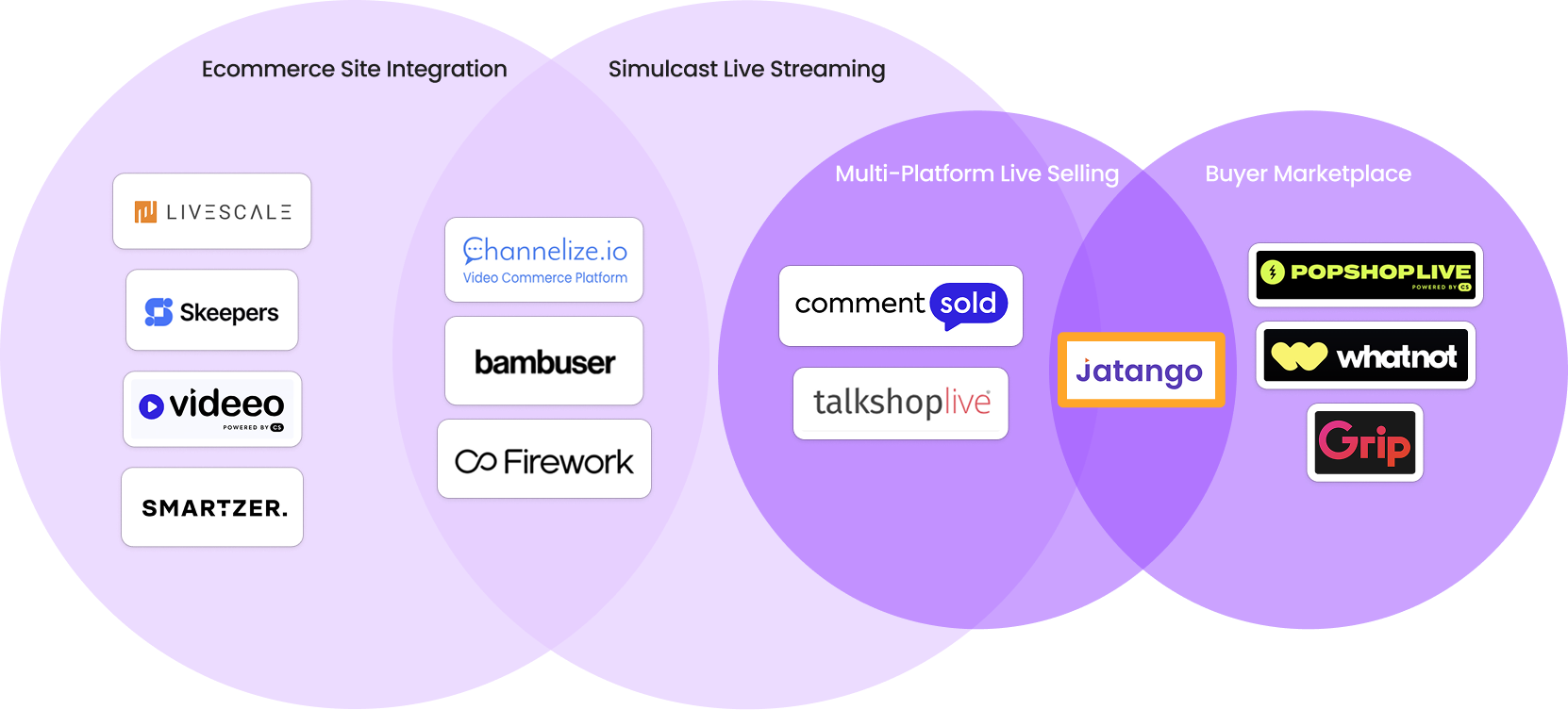
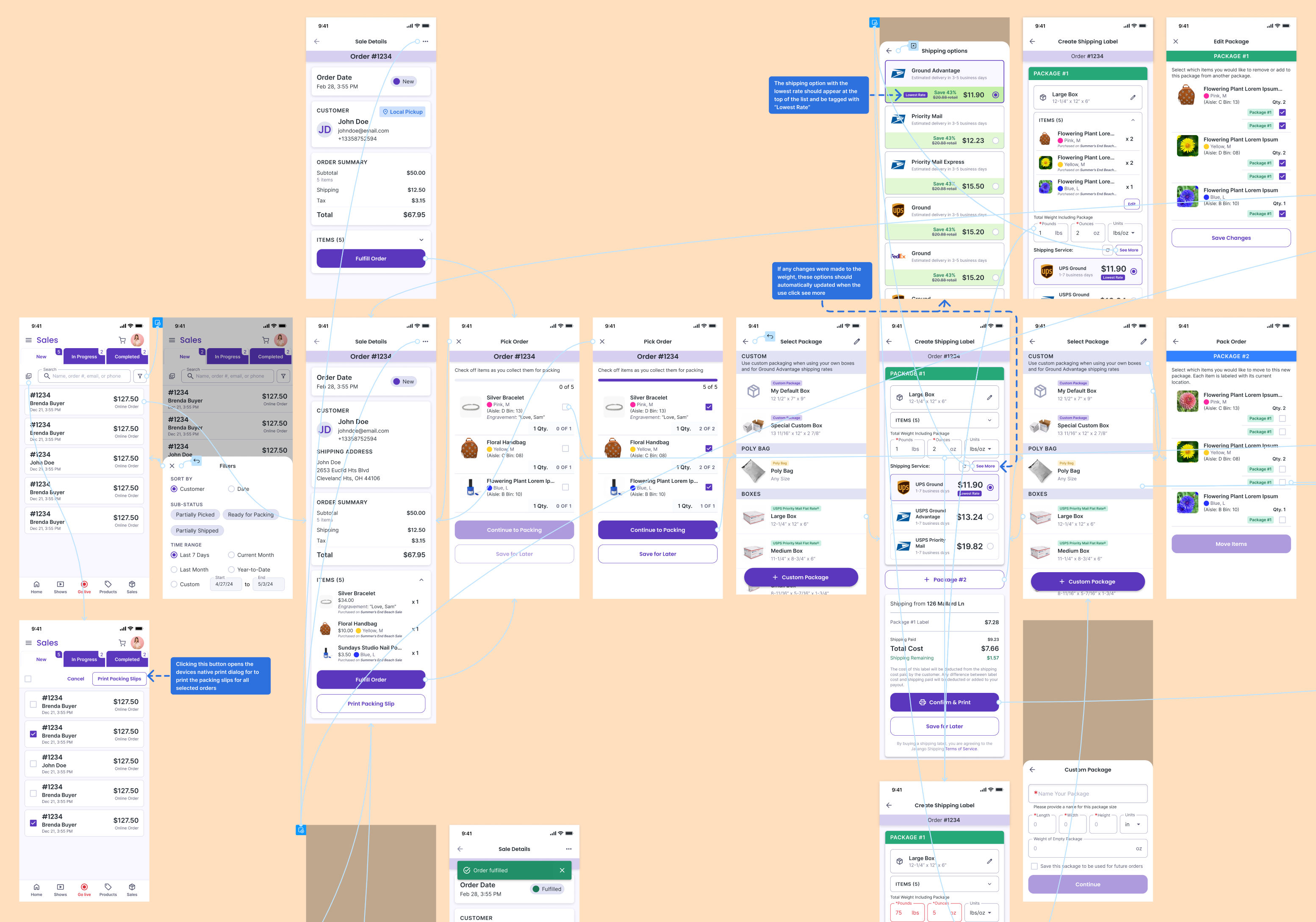
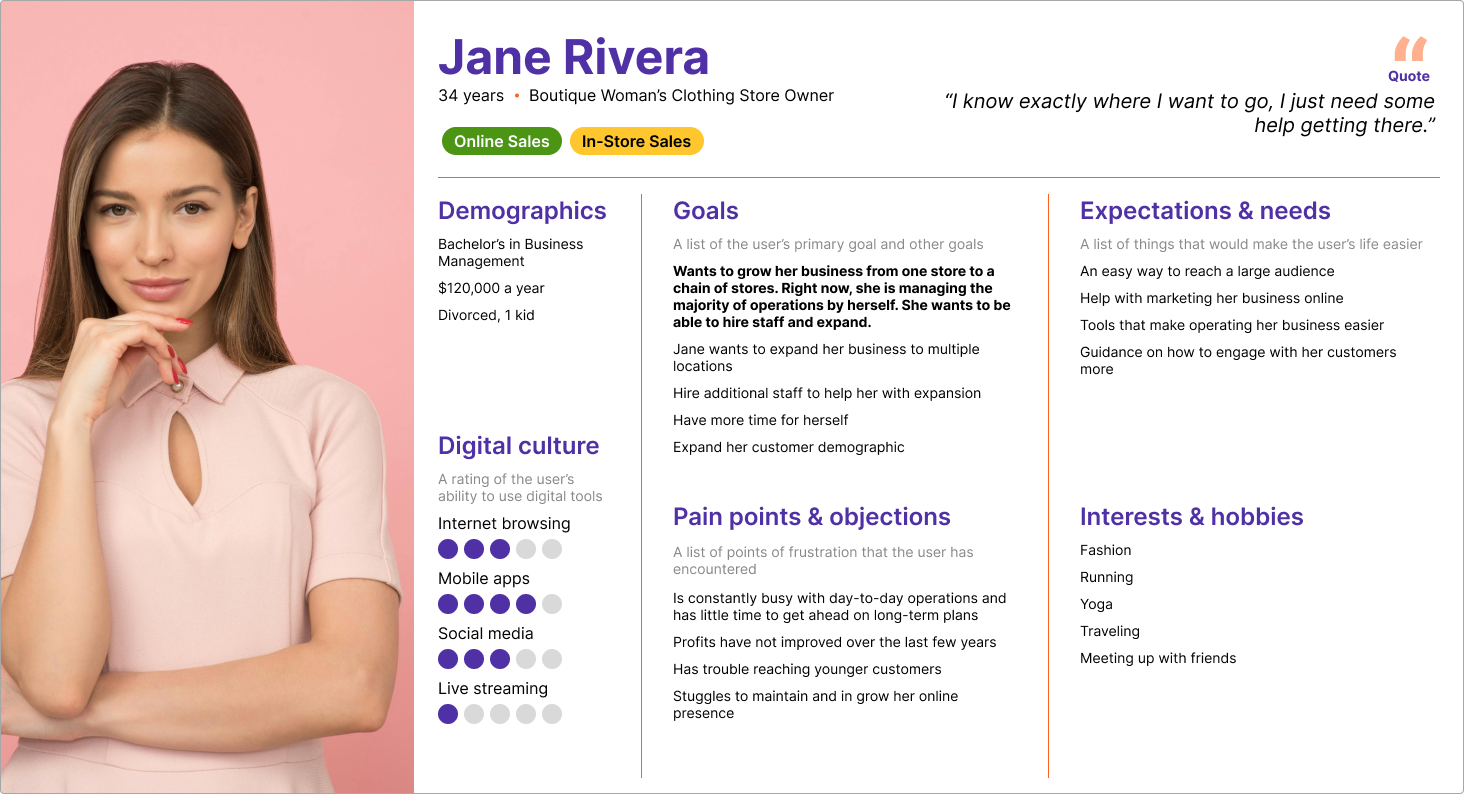
As a pre-launch product, we were designing for users we hadn't yet acquired. I de-risked decisions through competitive analysis of adjacent platforms (Whatnot, Poshmark, TikTok Shop), persona development informed by market research, and an iterative phased-launch strategy that prioritized flexibility — allowing us to adapt features quickly based on real user behavior post-launch.
My Impact
A summary of measurable outcomes across product, process, and business dimensions.
Product
12+
Major features shipped
Product
28
Design system components
Process
~20%
Faster feature delivery via component library
Process
1–2 wk
Feedback cycle reduction
Process
4 mos
Consistent sprint goal completion before launch
Business
✓
Alpha → Beta launched on schedule
Business
115%
Active user growth post-beta
Business
8 mo
Consistent revenue growth post-beta
My Takeaways

On Hybrid Roles
Owning both design and product management gave me a deeper understanding of the tradeoffs between user needs, technical constraints, and business goals. I stopped designing in a vacuum and started designing with full context — which led to solutions that were both more elegant and more shippable.

On Startup Life
Building with limited resources — no research budget, no design team, a departing PM — forced creative problem-solving at every turn. I learned to treat constraints as design parameters rather than blockers, and developed a rapid, systematic approach to prototyping that I'll carry into any future role.

On Leadership
Leading a cross-functional team as a designer — not a manager — taught me that influence comes from clarity, consistency, and care. Clear documentation, predictable processes, and genuine collaboration earned the trust needed to move fast without creating friction.
This experience reinforced my passion for building cohesive user experiences on solid foundations. I'm energized by the opportunity to apply these skills in environments where design leadership can drive both user satisfaction and business growth — particularly in climate tech and mission-driven products where thoughtful design can create real-world impact.
 Home
Home
